What Is Rolfing, and How Does It Differ From Structural Integration
11 minute read.
Key Takeaways
- Rolfing is a registered mark of the Dr. Ida Rolf Institute, so only their graduates may use the word.
- The underlying method is taught by several schools under the name Structural Integration, the name Ida Rolf herself used in her own writing and teaching.
- Structural Integration and Rolfing describe the same lineage of work under different banners.
- The Calibration Collective is board certified in Structural Integration. This page describes terminology and training lineage, not a clinical claim.
Rolfing is a form of Structural Integration, a hands on method that works the connective tissue holding your body in its shape, in a fixed sequence of sessions rather than one appointment at a time. The word itself is a registered mark of the Dr. Ida Rolf Institute, so only their graduates use it. The underlying work is taught by several schools under the name Structural Integration.
That is the whole answer. What follows is why two names exist for one body of work, and what actually differs underneath them.
Where the name came from
Ida Rolf was a biochemist who spent forty years working out how connective tissue organises the human body around gravity. She did not call what she built Rolfing. She called it Structural Integration, and that is the name she used for it in her own writing and teaching.
Rolfing started as a nickname. Her students used it, clients used it, and it stuck because it was easier to say. After she died, the institute she founded registered it. Today the Dr. Ida Rolf Institute owns the mark, and the practitioners it certifies are the ones who may put it on a business card.
So the older, broader, more accurate term for the work is the one that sounds newer. That is the whole confusion, and it costs people a lot of time when they are trying to find a practitioner.
What the trademark actually covers
This part matters if you are searching, because it shapes what you will find.
- The name is protected, not the method. A trademark covers a word used to identify a service. It does not lock up the anatomy, the sequence, or the ideas behind them.
- Graduates of the Dr. Ida Rolf Institute may use it. They practise under Rolfing Structural Integration and hold the Certified Rolfer designation.
- Everyone else uses the generic name. Practitioners trained at the other schools in the same lineage describe their work as Structural Integration, which is what Ida Rolf called it in the first place.
- Neither name tells you who is good. A name on a certificate is not a proxy for hands, hours, or judgement.
So is it the same work
Substantially, yes. Same origin, same governing idea, same basic architecture.
Every school in this lineage teaches that the body is held in shape by a continuous connective tissue network, that the network adapts to how you load it, and that changing it takes an ordered series of sessions rather than repeated visits to whichever spot hurts. Every school runs a ten session sequence built on the same logic: open the surface layers first, work the deep structures once the surface will let you in, then spend the last sessions integrating what changed so it holds.
Anyone claiming the two are unrelated is selling something. So is anyone claiming they are byte for byte identical.
What is actually different
The honest differences are between schools, not between the two names.
- Curriculum length and structure vary. Programmes differ in contact hours, in how much movement education they include, and in how much anatomy they front load.
- Emphasis varies. Some lineages lean toward movement and how you organise yourself in gravity. Others lean toward tissue work and manual precision. Most sit somewhere between.
- Language varies. The session names, the way the sequence is described, and the vocabulary used in the room are not standardised across schools.
- Individual practitioners vary more than the schools do. This is the part nobody advertises and it is the part that determines your result.
If you have had good work from a Certified Rolfer, you have had Structural Integration. If you have had good work from a Structural Integrator, you have had the thing Rolfing is a brand name for. The tissue does not read certificates.
What a session is like, under either name
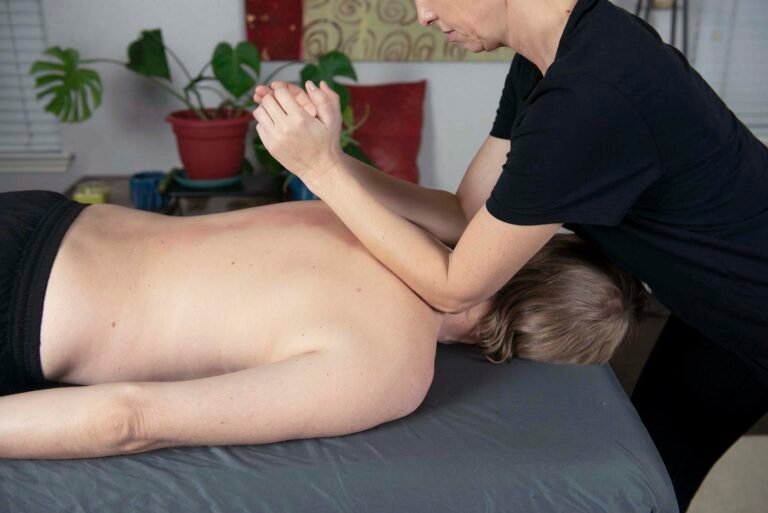
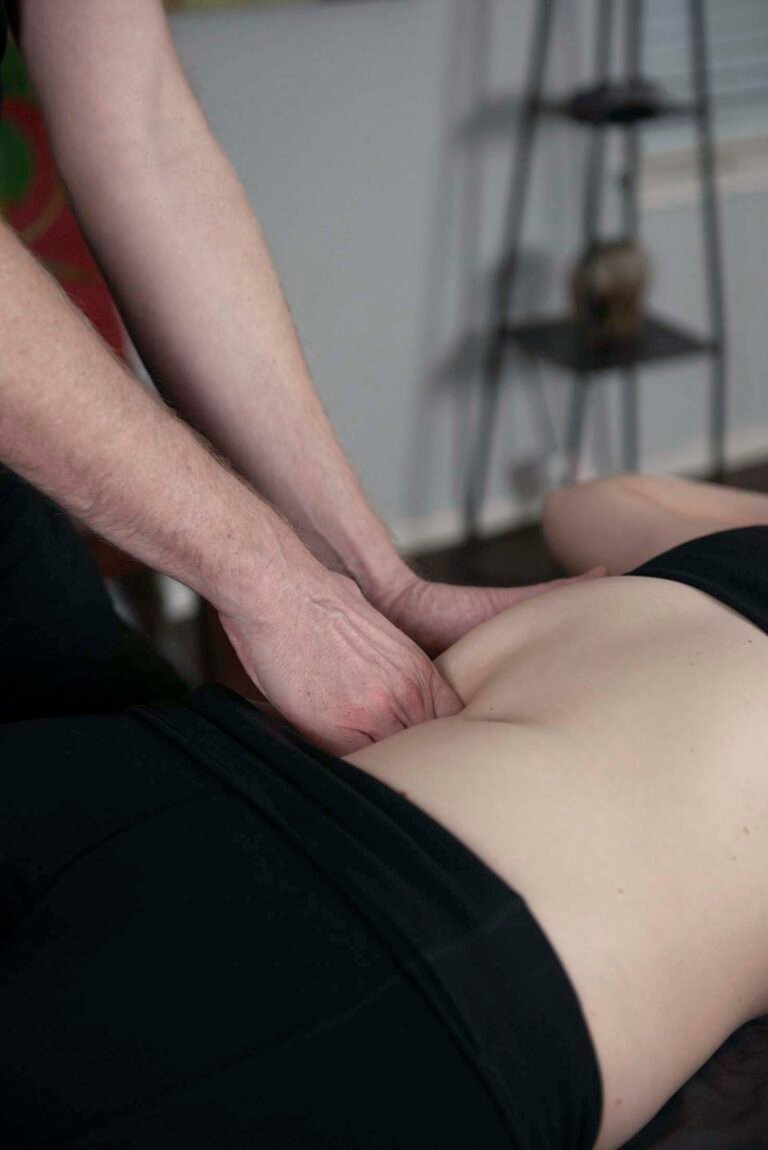
Slow. Nothing about this work is percussive or forceful. You stay in whatever you can move in. The practitioner watches how you stand and how you walk before touching anything, because the assessment is most of the skill. Then it is hands on for most of the hour, working the tissue at a pace that gives it time to change rather than forcing it.
You finish by moving, so your nervous system registers the new position instead of reverting to the old one on the drive home. Most people describe the pressure as significant and specific. Very few describe it as painful.
For the full breakdown of the ten session sequence, see the 10 Series explained session by session. For how this differs from the technique it is built on, see myofascial release versus Structural Integration.
Which one should you book
Stop sorting by the name and sort by these instead.
- Do they assess before they work. If nobody watches you stand and walk before hands go on, you are getting massage with a longer word attached to it.
- Do they work in a series with an end. The whole premise is that the work finishes. Open ended booking is the opposite of the method.
- Can they explain why session four comes after session three. The order is the method. A practitioner who cannot explain the order is running a sequence they learned by rote.
- Do they hand you back your own movement. The change has to survive you leaving the room, which means you have to be taught something, not just worked on.
Any of those four matters more than which banner is on the door.
How we practise it in Austin
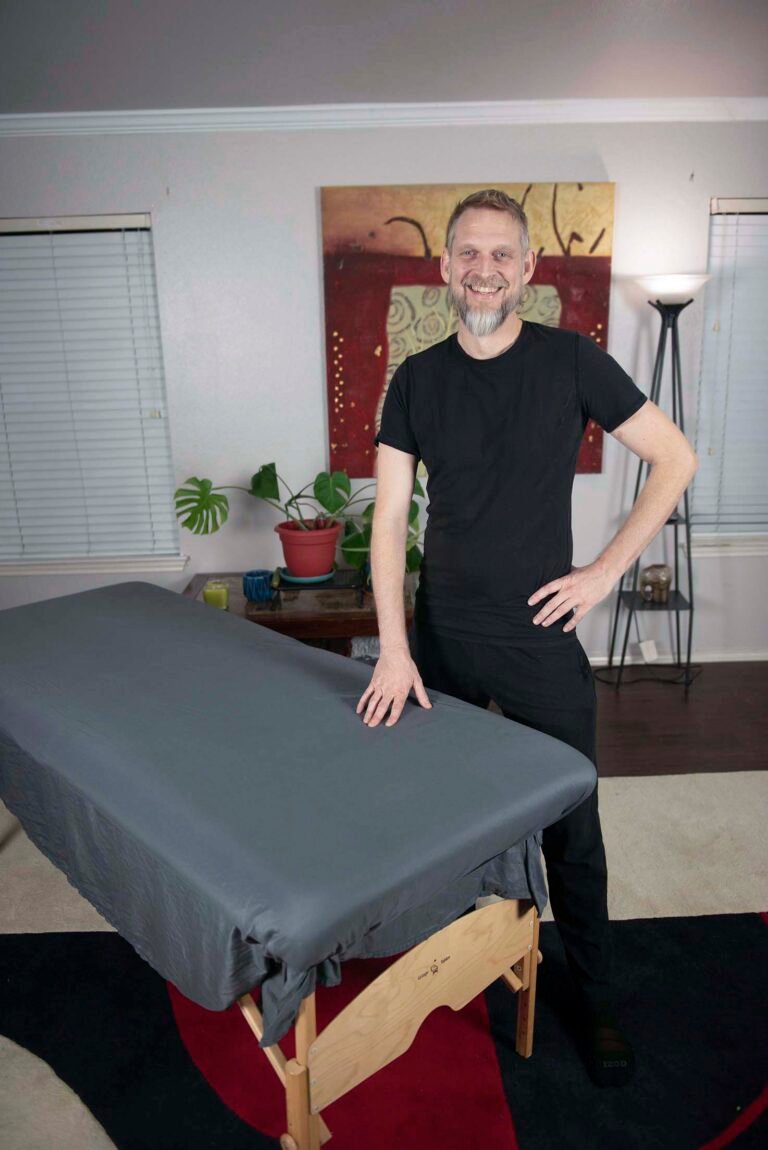
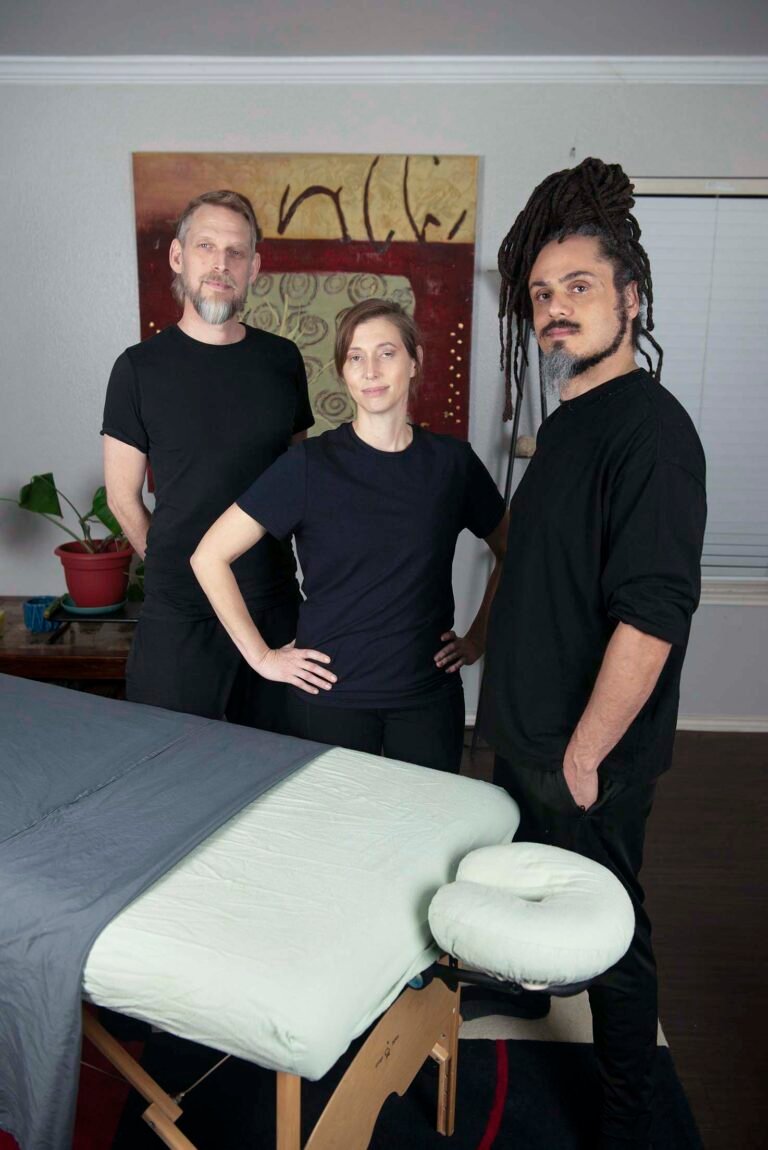
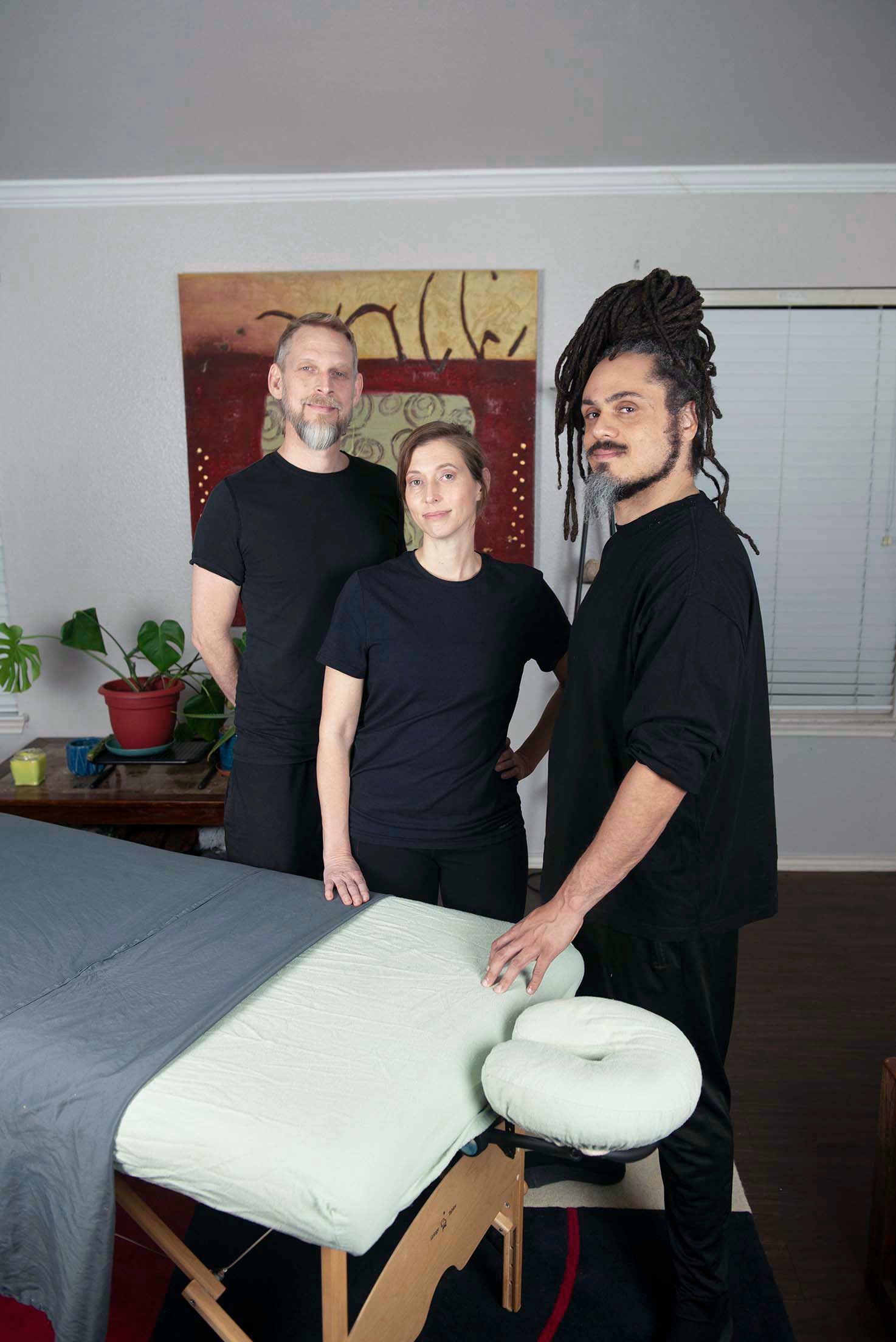
The Calibration Collective practises Structural Integration. Our practitioners are board certified Structural Integrators. We are not Certified Rolfers and we have no affiliation with the Dr. Ida Rolf Institute, which is why you will not see that name used anywhere on this site as a description of our services.
We run the work as a series with a defined end, because a series that never finishes is a subscription, not a treatment plan. Every path starts the same way, with a full postural and movement assessment plus hands on work in the same visit. What comes after depends on what we find. See myofascial release in Austin for how we run it, or what Structural Integration is for the method itself. If you are specifically comparing Austin practitioners, our Austin page covers who practises what here.
If you are shopping around Austin and you find a Certified Rolfer whose assessment you like better than ours, book them. The work is the same lineage and the practitioner matters more than the label. We would rather you get a good ten series somewhere than a mediocre one here.
Rolfing massage and rolfing therapy, the same search for different words
People land on this page searching rolfing massage or rolfing therapy, so it is worth being direct about both terms rather than letting the page stay silent on them.
Rolfing massage
Massage and Structural Integration both involve hands on work, and that overlap is where the search term comes from. The aim is different. Massage generally works the tissue toward relaxation or circulation in a given visit. Structural Integration and Rolfing work toward a change in how the whole body is organised, built across an ordered series rather than repeated separately booked visits.
Rolfing therapy
Rolfing therapy describes the same lineage of work as Structural Integration, under the name reserved for graduates of the Dr. Ida Rolf Institute. We are board certified Structural Integrators rather than Certified Rolfers, so we practise and describe our work under the generic name. Structural Integration and Rolfing describe the same lineage of work under different banners, and which banner a practitioner uses comes down to where they trained, not how effective the work is.
Research and Further Reading
For more on the history, terminology and published research behind this lineage of work, see the following sources.
- Structural Integration, an Alternative Method of Manual Therapy and Sensorimotor Education, Journal of Alternative and Complementary Medicine.
- Influence of Rolfing Structural Integration on Lower Limb Mobility, Respiratory Thorax Mobility, and Trunk Symmetry, a Retrospective Cohort Study, Journal of Clinical Medicine.
- Latest Research, Dr. Ida Rolf Institute.
Frequently asked questions
Is Rolfing the same as Structural Integration?
Substantially yes. Rolfing is a registered mark of the Dr. Ida Rolf Institute for Structural Integration as practised by their graduates. Structural Integration is the name Ida Rolf herself used for the work and the name every other school in the lineage uses. Same origin, same ten session architecture, differences that sit between schools rather than between the two names.
Why can some practitioners say Rolfing and others cannot?
Because it is a trademark, not a licence. Only practitioners certified by the Dr. Ida Rolf Institute may use the name. Everyone else trained in the same method describes their work as Structural Integration. It is a naming rule, not a statement about quality or training level.
Does Rolfing hurt?
It should feel like productive discomfort rather than pain. The pressure is slow and specific, and a good practitioner works at the pace the tissue will actually change at rather than forcing it. If you are bracing against it, something is wrong with the pacing. Say so in the room.
How many sessions is a Rolfing series?
Ten is the classic sequence under either name, run in three phases. Shorter series exist for a single area that keeps returning. The point of working in a series is that it ends, so be careful with anyone selling open ended booking.
Is there Rolfing in Austin?
There are Certified Rolfers practising in Austin and there are board certified Structural Integrators, including us. The work is the same lineage. Sort by whether the practitioner assesses you before working, whether they run a series with a defined end, and whether they can explain why the sessions come in that order.
What should I look for when choosing a practitioner?
Four things. Do they watch you stand and walk before they touch you. Do they work in a series that finishes. Can they explain why each session follows the one before it. Do they hand your own movement back to you so the change survives you leaving. Those matter more than which name is on the door.
Is Rolfing massage the same thing
No. Massage generally works the soft tissue for relaxation or circulation, while Structural Integration and Rolfing work on how the whole body is organised, in a defined series rather than a repeated visit. People search for rolfing massage because both involve hands on work, but the goal and the structure of the sessions are different.
What is Rolfing therapy called at the Calibration Collective
We call it Structural Integration, since that is the generic name for the lineage and the name we are entitled to use. Rolfing therapy is the same lineage of work under the name reserved for graduates of the Dr. Ida Rolf Institute, which we are not. See how we practise it below.
Trademark notice. Rolfing and Certified Rolfer are registered marks of the Dr. Ida Rolf Institute. The Calibration Collective is not affiliated with, endorsed by, certified by or sponsored by the Dr. Ida Rolf Institute, and does not offer Rolfing. Our practitioners are board certified Structural Integrators. Those marks appear on this page only to explain the relationship between the two names, which is information a person choosing a practitioner needs in order to search properly.
Read next. Myofascial release versus deep tissue massage, the other comparison people run before booking.
Start with a free consultation
Book a free 15 minute consultation so we can talk through what is going on, then get your first session on the calendar.